Unhurried Journeys, Enduring Connections
Today we explore slow travel methods for deep engagement with living traditions, focusing on ways to meet artisans, cooks, farmers, ritual leaders, and everyday neighbors with humility and time. Expect practical steps, ethical guidance, and field stories showing how patience, reciprocity, and small consistent gestures turn brief visits into mutual learning. Share your experiences or questions in the comments—your voice helps this evolving conversation stay grounded, respectful, and useful for travelers and hosts alike.
Preparing with Intention
Lasting relationships begin before departure. Research seasonal calendars, learn names communities use for their own practices, and prioritize introductions through trusted locals rather than impersonal directories. Draft a flexible timeline that privileges repeated visits over bucket-list completions. Pack gifts that are useful, light, and non-intrusive. Budget for learning, not only lodging, remembering to compensate teachers fairly. Commit to curiosity, slowness, and the understanding that the first visit may simply open a doorway you will respectfully return to.
Arriving and Observing
The first days set the tone. Move slowly, map social rhythms, and notice who meets whom, where, and when. Observe workspaces at dawn and dusk; aromas, tools, and materials reveal unspoken routines. Buy small items without bargaining to learn price ethics and local terms. Keep your camera away until you understand context and consent. Let sensory notes guide your questions tomorrow. This attentive presence lowers defenses, turning introductions into invitations rather than transactions rushed by itineraries or lenses.






Consent as a Daily Practice
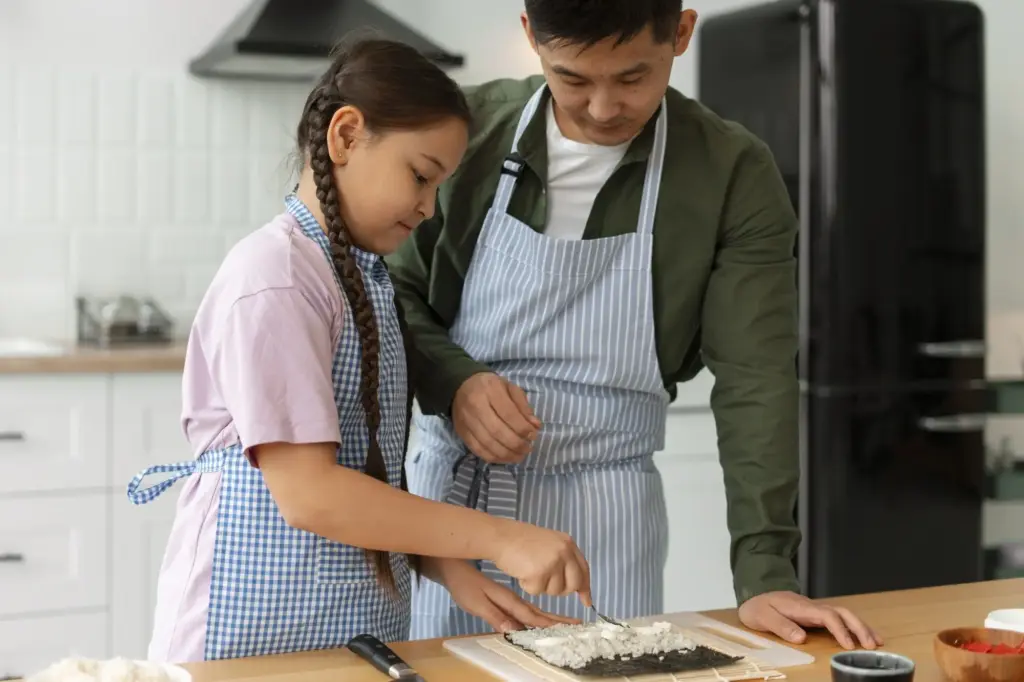
Seek permission each time circumstances change: new people arrive, a ritual begins, or tools move indoors. Explain what you hope to learn, how long it may take, and where results might appear. Use simple, translated summaries and accept no for any reason. Revisit consent after breaks or festivals, because comfort shifts with seasons and news. When people feel free to decline, they often choose to welcome you further, trusting that your curiosity carries responsibility alongside enthusiasm.

Fair Exchanges and Local Economies
Pay teaching fees openly, at rates suggested by locals, and purchase from the makers who taught you, not cheaper copies elsewhere. Offer to cover materials used during instruction. If bartering, choose items difficult to source locally—quality tools, archival notebooks, or seeds agreed upon in advance. Keep receipts when possible and track who benefited. Transparent exchanges nourish pride and continuity, ensuring your learning day funds tomorrow’s apprentices rather than draining energy from already stretched households and shared workshops.

When Not to Document
Some songs, stitches, or gestures gain meaning through privacy. If a teacher hesitates, lower your camera and open your notebook to draw instead, or simply listen without recording. Ask where images may be shown and to whom. Avoid geotagging sensitive spaces. Remember that public posts ripple unpredictably, sometimes inviting crowds or copycats. Practicing restraint protects relationships and traditions, signaling that your loyalty lies with people’s wellbeing before your portfolio, metrics, or the quick applause of distant audiences.
Living Traditions in Practice: Field Stories
Examples illuminate principles. In Oaxaca’s Teotitlán del Valle, time with Zapotec weavers revealed natural dye cycles guided by seasons and neighbors’ schedules. In Uji, patient tea sessions unfolded across weather and harvests. In western Georgia, baking in a clay tone oven taught fire’s patient mathematics. Each story shows how generosity grows when visitors return, compensate properly, and share useful outcomes back. Let these vignettes guide your planning and spark questions you will ask kindly on arrival.

Sustainable Pace and Wellbeing
Depth requires stamina. Schedule rest days with no goals beyond wandering, reading, and cooking something simple from the market. Keep digital boundaries so presence remains with hosts, not distant notifications. Hydrate, stretch, and sleep early before big learning days. Accept missed chances; another season will open a door. Carry a modest first-aid kit and snacks to prevent rushed choices. When your body feels supported, patience expands, and your hosts experience a calmer, kinder version of your curiosity.
Stories With Accountability
Write pieces that center people’s agency, not your discovery. Fact-check spellings, lineages, and place names with those involved. Share revenue if monetized, or at least cover future workshop supplies. Avoid melodrama; let process detail carry meaning. Include uncertainty and mistakes you made so others can learn without repeating harm. When readers comment, moderate for respect. Accountability transforms storytelling into shared stewardship, aligning your audience’s curiosity with the wellbeing of those who entrusted you with their daily knowledge.
Gifts That Travel Back
Thoughtful returns matter more than flashy gestures. Send prints on archival paper, translate your article, or replace a worn tool agreed upon together. Cover customs fees so gifts do not become burdens. Share useful market contacts or exhibition opportunities only with consent. Ask what would genuinely help before assuming. Keep a small budget labeled return contributions. When generosity follows the path of learning, it reinforces dignity, making future visits welcome rather than heavy with unresolved obligations or guesswork.

All Rights Reserved.