Where Old Recipes Lead to New Worlds
Paths That Smell Like Home
Market Mornings
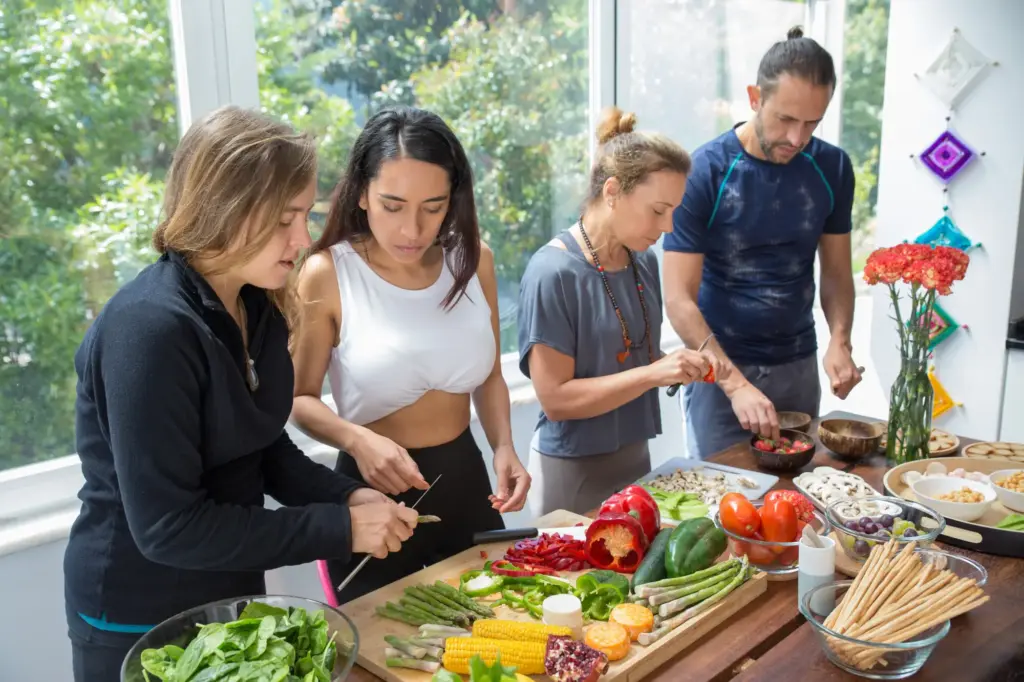
Arrive before sunrise when tarps lift and scales clink, and watch how a city wakes with steam, bargaining, and jokes. In Palermo, Hanoi, or Marrakesh, routes bend toward stalls that anchor families for decades, carrying methods remembered across storms and weddings. Observe who buys bones for broth, which herbs vanish first, and how distant seasons still whisper through pallets of citrus. This choreography explains local priorities better than a museum label, showing you community ethics, culinary craft, and the surrounding culture’s stubborn, generous pulse.
Monastery Kitchens
Arrive before sunrise when tarps lift and scales clink, and watch how a city wakes with steam, bargaining, and jokes. In Palermo, Hanoi, or Marrakesh, routes bend toward stalls that anchor families for decades, carrying methods remembered across storms and weddings. Observe who buys bones for broth, which herbs vanish first, and how distant seasons still whisper through pallets of citrus. This choreography explains local priorities better than a museum label, showing you community ethics, culinary craft, and the surrounding culture’s stubborn, generous pulse.
Seafaring Suppers
Arrive before sunrise when tarps lift and scales clink, and watch how a city wakes with steam, bargaining, and jokes. In Palermo, Hanoi, or Marrakesh, routes bend toward stalls that anchor families for decades, carrying methods remembered across storms and weddings. Observe who buys bones for broth, which herbs vanish first, and how distant seasons still whisper through pallets of citrus. This choreography explains local priorities better than a museum label, showing you community ethics, culinary craft, and the surrounding culture’s stubborn, generous pulse.
Grandmothers, Guardians, and Living Recipe Books
The Handful Measure
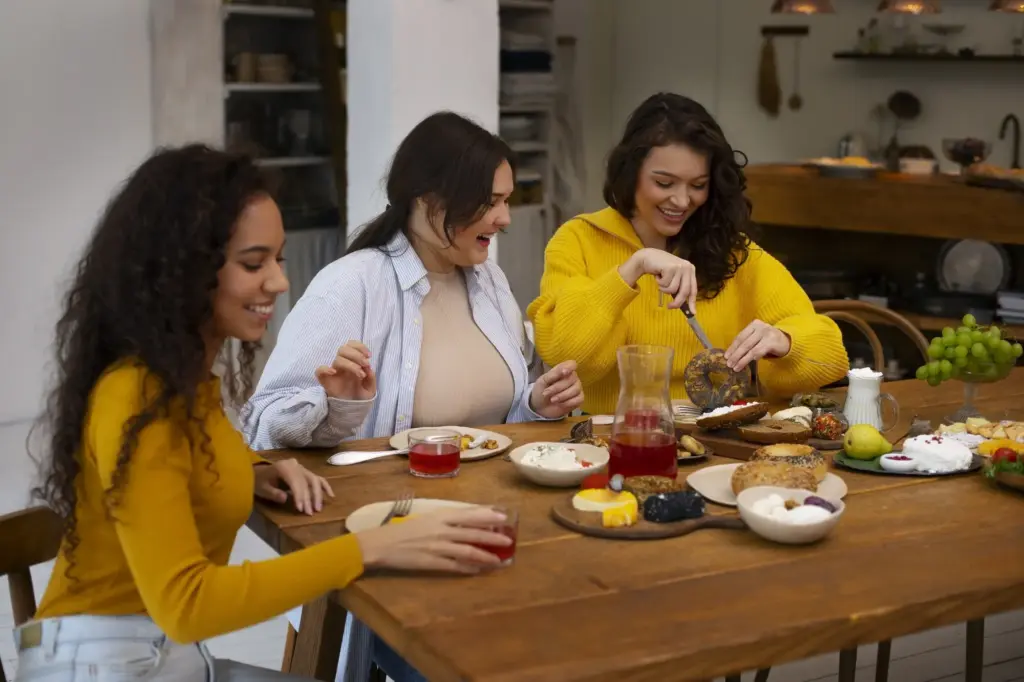
In Puglia, a Nonna instructs by feel, tossing salt with a gesture impossible to translate, insisting you smell tomatoes before slicing. She teaches that measurement lives in the body, where memories of harvests and storms calibrate instinct. The dough responds to weather, the oil answers patience, and your fingers learn truth long before any digital scale. This intimacy produces confidence transferrable to modern kitchens, encouraging cooks to trust senses, value growers, and embrace imperfection as a signature rather than a flaw.
Apprenticeship at the Stove
In Oaxaca, a day spent grinding chiles for mole reveals how mentorship flavors community. The pestle sets rhythm, elders narrate weddings and wakes, and smoke settles like punctuation. Apprentices absorb more than recipes: they learn courtesy, resourcefulness, and when to pass the ladle. Such learning reshapes contemporary cooking, making restaurants into classrooms and pop-ups into rehearsals for generosity. Along these paths, technique becomes citizenship, where tasting together means practicing memory, respect, and the surprising joy of taking turns stewarding a sauce.
Taste as Archive
A spoonful of festival custard evokes fireworks, music, and ancestral faces, proving flavor stores time more faithfully than photographs. Families carry these archives through handwritten cards freckled with oil, or instructions spoken over sinks at midnight. When communities migrate, desserts become passports that keep neighbors connected, even after streets change names. By tracing such sweets across bakeries and seasons, you read a living record of celebrations and survival. Preserving these archives invites everyone to author new pages without erasing the earlier, cherished chapters.
Migration Stirring the Pot
From Suitcase Seeds to Urban Gardens
Crossroads on a Plate
New Traditions on Fridays
Festivals, Rituals, and the Calendar of Flavors
Economies of Taste and the Responsibility to Care
When Visitors Help Villages Thrive
In Kakheti vineyards or a small sake town, guided walks led by residents keep knowledge rooted and earnings local. Guests press grapes, steam rice, and hear first-person histories rather than brochure gloss. Such itineraries train travelers to value slowness, complexity, and craft, rewarding patience with nuanced flavors. Communities then reinvest in apprentices, barns, and biodiversity, ensuring tomorrow’s harvest tastes even clearer. Walking away, you carry more than bottles; you carry names, faces, and the understanding that true souvenirs are relationships tended carefully.
Respecting Limits of Land and Sea
Ethical routes honor seasons, closures, and the quiet labor of regeneration. Ask about catch limits, rotate dishes when populations dip, and celebrate humble species often ignored by trend-chasing menus. Farmers and fishers are your teachers; their calendars, your curriculum. When you align curiosity with restraint, flavors sharpen and futures widen. This respect transforms diners into allies, helping coasts rebuild, soils rest, and traditions find room to adapt. The richest meal, paradoxically, may be the one you postpone for health’s sake.
Digital Maps, Hashtags, and the New Wayfinding

Plan Your Own Journey with Care
Start with One Ingredient
Etiquette Across the Table
Share Back Generously

All Rights Reserved.